
Discover the heartbeat of South African history with JMT Tours
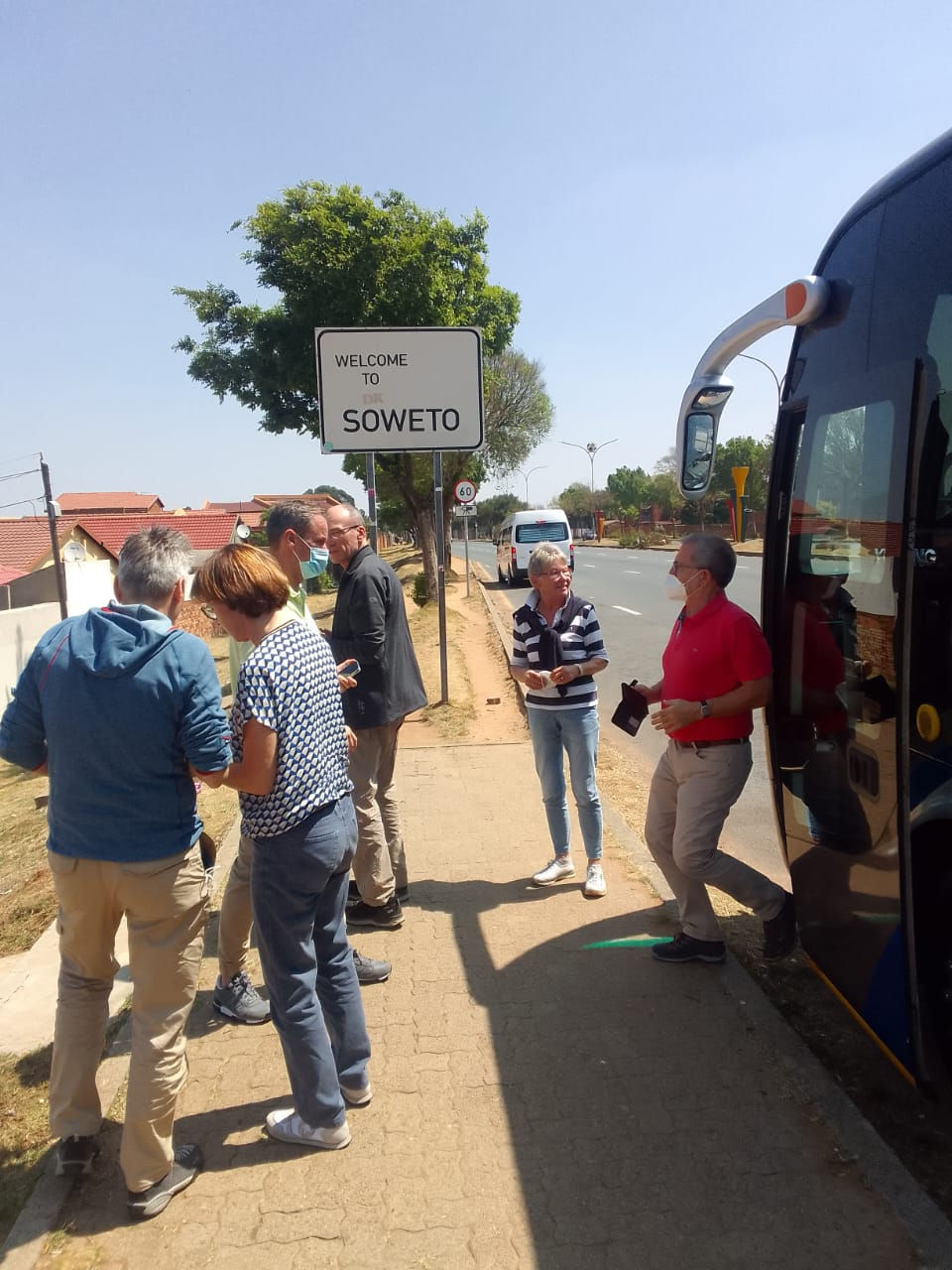
Soweto is more than a destination — it is a living archive of South Africa’s journey, resilience, and cultural identity. Known worldwide as a symbol of resistance, transformation, and unity, Soweto offers visitors an immersive experience into the events and people that helped shape modern South Africa.
For local and international travellers alike, visiting Soweto is an opportunity to walk through history, hear powerful stories, and experience the vibrant spirit of one of Johannesburg’s most iconic townships.
JMT Tours, believes every street corner in Soweto has a story to tell.
Here are the top 10 must-visit historical sites in Soweto that should be on every visitor’s itinerary.
1. Hector Pieterson Memorial and Museum

No visit to Soweto is complete without stopping at the Hector Pieterson Memorial and Museum.
This landmark commemorates the events of 16 June 1976, when thousands of students marched in protest against the apartheid government’s education policies. The uprising became a defining moment in South African history.
The image of young Hector Pieterson being carried after he was fatally shot remains one of the most powerful symbols of the struggle for freedom.
Visitors can explore exhibits, photographs, and personal accounts that bring the story of the Soweto Uprising to life.
2. Vilakazi Street
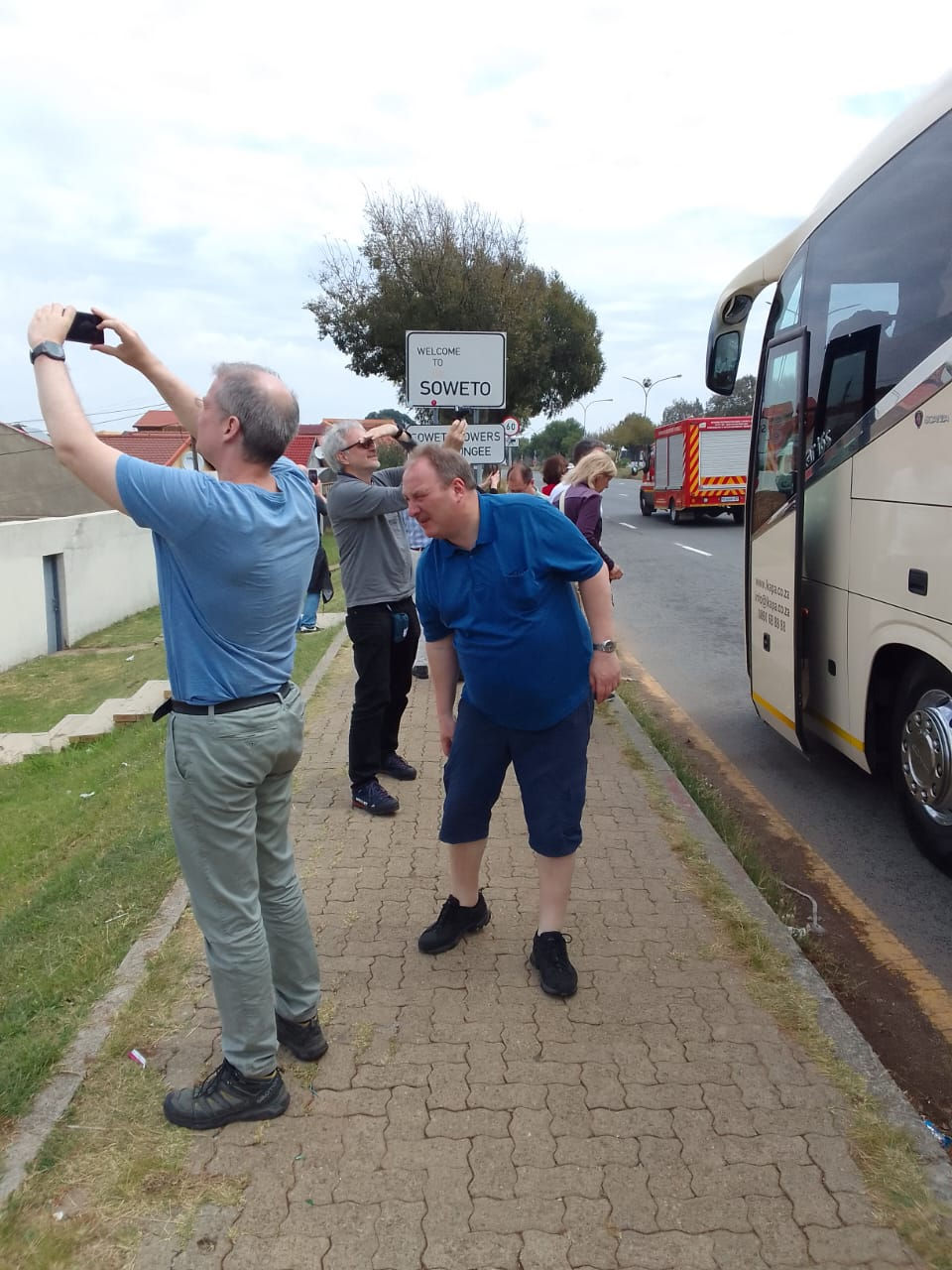
Vilakazi Street is one of the most famous streets in the world and a must-see cultural and historical attraction.
It is internationally renowned as the only street in the world to have housed two Nobel Peace Prize winners:
Nelson Mandela
Desmond Tutu
Today, the street is alive with restaurants, local shops, cultural experiences, and historical landmarks.
Walking along Vilakazi Street gives visitors a direct connection to the lives and legacy of South Africa’s most influential leaders.
3. Mandela House Museum

Located on Vilakazi Street, the Mandela House Museum is one of Soweto’s most visited historical sites.
This was the former home of Nelson Mandela, where he lived with his family before and during the anti-apartheid struggle.
The house has been preserved as a museum and contains original furnishings, photographs, memorabilia, and personal artefacts that offer insight into Mandela’s life and legacy.
For visitors interested in political history and leadership, this site is essential.
4. Regina Mundi Church

Often referred to as “the people’s church,” Regina Mundi Church played a significant role during the apartheid era.
It became a place of refuge, community meetings, and political gatherings during times of unrest.
The church still bears visible marks of bullet holes from the Soweto Uprising, making it a deeply moving site for reflection and remembrance.
Its significance goes beyond religion — it is a monument to courage and resistance.
5. Orlando Towers
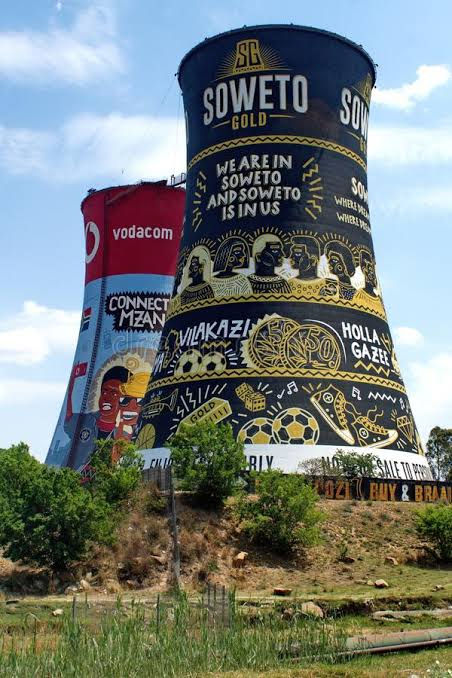
The Orlando Towers are among Soweto’s most recognizable landmarks.
Originally built as cooling towers for a power station, they have since been transformed into a symbol of Soweto’s urban regeneration and creativity.
The towers are covered in vibrant murals depicting South African history and culture.
Today, they also offer adventure activities such as bungee jumping and panoramic views of Soweto.
This site perfectly blends history with modern tourism.
6. Kliptown and Freedom Square

Kliptown holds immense historical significance as the place where the Freedom Charter was adopted in 1955.
This document laid the foundation for South Africa’s democratic principles and vision for equality.
Freedom Square is a meaningful stop for visitors wanting to understand the roots of the country’s constitutional democracy.
